

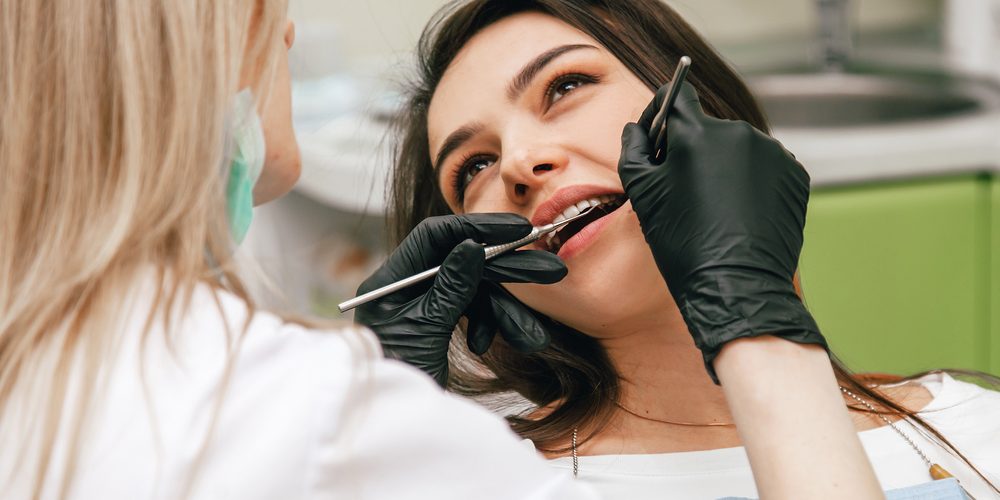
A toothache that won’t quit usually means something deeper is going on, and root canal therapy in Chelsea is often the most direct way to fix it. At Dental Health International, we treat patients across Chelsea, Boston, and East Boston who come to us with sensitivity, swelling, or pain that won’t let up. The goal is simple: clear the infection, save the natural tooth, and get you back to normal eating and sleeping without dreading every bite.
What Is a Root Canal?
Inside every tooth is a soft core called the pulp, made up of nerves and blood vessels. When a cavity, crack, or old filling allows bacteria to reach the core, the pulp becomes infected. A root canal removes that infected tissue, cleans out the canals running through the tooth’s root, and seals everything back up so the infection can’t return. The tooth stays in your mouth, doing its job, instead of being pulled and replaced.
Without treatment, that kind of infection doesn’t stay put. It can spread to the bone around the tooth, affect neighboring teeth, and turn a manageable problem into a much bigger one.
Signs You Might Need One
Not every toothache means a root canal, but a few symptoms tend to point in that direction:
- Sharp pain when biting down or chewing.
- Lingering sensitivity to hot or cold that doesn’t fade quickly.
- Swelling or tenderness in the gum near a specific tooth.
- A small bump on the gum that looks like a pimple.
- A tooth that’s darkened or discolored compared to the ones around it.
If any of this sounds familiar, it’s worth getting looked at before the infection has a chance to spread.
What Happens During Treatment
Most patients are surprised by how manageable the appointment actually is. Here’s the general flow:
- We start with an exam and X-rays to map out the canals and confirm the extent of infection.
- The area is numbed, and then we carefully remove the infected pulp.
- The canals are cleaned, shaped, and disinfected.
- The space is filled and sealed to prevent bacteria from getting back in.
- A filling or crown is placed afterward to protect the tooth long-term.
Molars tend to have more canals than front teeth, so those appointments may take a bit longer to make sure nothing gets missed. Most cases wrap up in one to two visits.
Root Canal Therapy in Chelsea: What to Expect Afterward
Once the procedure is done, soreness for a day or two is normal and usually responds well to over-the-counter pain relief. We’ll walk you through aftercare, which generally means avoiding hard or chewy foods on that side of your mouth until the permanent restoration is in place, keeping the area clean, and calling us if you notice swelling, fever, or pain that gets worse instead of better. If you’re due for a final crown, our team coordinates that step so the tooth is fully protected going forward. You can browse more about how root canals fit into our broader range of services on our endodontics page.
Five Key Benefits of Root Canal Therapy
- Relieves toothache at its source rather than just masking the pain.
- Preserves your natural tooth structure, keeping chewing and biting feel normal.
- Prevents the infection from spreading to nearby teeth or bone.
- Often eliminates the need for extraction and later replacement options like dental implants.
- Involves a shorter recovery than extraction, followed by a replacement procedure.
Saving the natural tooth also helps maintain the surrounding jawbone and keeps your bite properly aligned, which extraction alone doesn’t do.
Frequently Asked Questions
Does a root canal hurt?
With local anesthesia and a careful approach, most patients feel pressure rather than pain during the procedure itself. Afterward, mild soreness is common and typically fades within a few days.
How long does a treated tooth last?
With a proper restoration and regular checkups, a root canal-treated tooth can last for many years, often a lifetime.
What if my symptoms come back?
Occasionally, bacteria persist, or a canal is missed. If pain or swelling returns, reach out right away so we can evaluate whether retreatment or another option makes sense.
Will I need a crown afterward?
Many teeth, especially molars, need a crown after a root canal to handle the pressure of daily chewing. We’ll let you know during treatment whether that applies to your case.
Our team, including Dr. Jeya Guna, has handled root canals across a wide range of cases, from straightforward single-canal teeth to more complex molars. You can see our full clinical team on our meet the team page.
Don’t Wait Out a Toothache
A lingering toothache rarely gets better on its own, and the longer an infection sits, the more it can affect the tooth and the bone around it. If you’re in Chelsea, Boston, or East Boston and dealing with persistent pain, sensitivity, or swelling, reach out via our contact page to get scheduled. Find us easily using our office location, and once the tooth is treated, ask us about how it pairs with options on our cosmetic dentistry page if you’re also looking to refresh your smile’s appearance.